
Georgia's Cop City Case Continues to Cast Shadow Over Protesters' Lives More than two years after Georgia launched what's believ...
Georgia's Cop City Case Continues to Cast Shadow Over Protesters' Lives
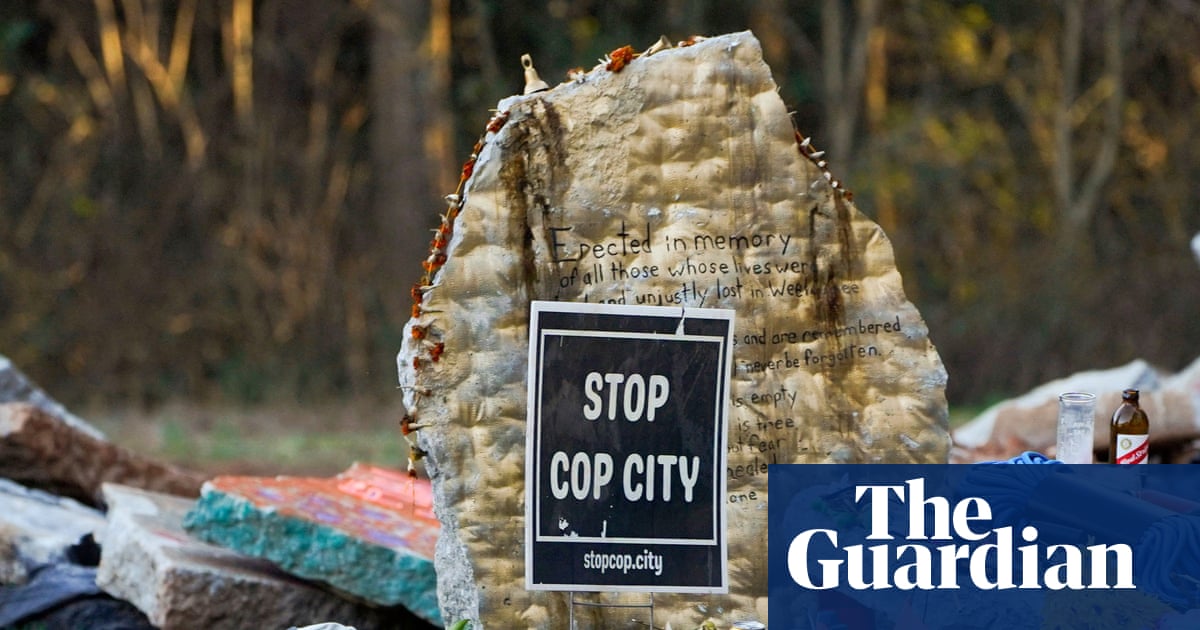
More than two years after Georgia launched what's believed to be the largest protest-related racketeering case in U.S. history, 61 defendants remain in legal limbo while the state continues to hold onto hundreds of personal belongings - from diaries to cell phones to intimate letters. The controversial case, targeting opposition to the $109 million Atlanta police training center known as Cop City, has become a national symbol of government overreach against dissent.
The Unresolved Legal Battle
In September 2024, Fulton County Superior Court Judge Kevin Farmer orally dismissed Georgia's felony criminal conspiracy case on procedural grounds, but failed to put that decision in writing within the 90-day deadline required by state law. This technical failure means the case remains officially unresolved, allowing prosecutors to maintain possession of an enormous trove of personal property seized as evidence.
The state's use of RICO (Racketeer Influenced and Corrupt Organizations Act) - originally designed to combat organized crime and the mafia - against environmental and social justice activists has drawn national attention and criticism. What began as opposition to police militarization and deforestation concerns has escalated into a sweeping legal battle that's testing constitutional rights across America.
Personal Property Held Hostage
The human cost of this legal stalemate is staggering. The state currently holds at least 100 digital devices, including cell phones, laptops, nine hard drives, 10 USB sticks, three tablets, and dozens of boxes containing deeply personal items.
Among the most poignant cases is Manuel Paez Terán, known as "Tortuguita," who was shot and killed by state troopers in January 2023 while camping near the Cop City site. Their mother, Belkis, told reporters the state continues to hold Tortuguita's diary, cell phone, and laptop - including their final message that read "Help" and was sent minutes before the fatal shooting.
"I would like to have that message," Belkis said, highlighting how the government's evidence collection extends even to victims of state violence.
The Atlanta Solidarity Fund's Ordeal
Three members of the Atlanta Solidarity Fund - Marlon Kautz, Savannah Patterson, and Adele MacLean - exemplify how the prosecution has disrupted lives far beyond the courtroom. The bail fund organization, which helps arrested protesters with legal defense and related needs, became central to the state's case, mentioned more than 120 times in the 109-page indictment.
The state withdrew money laundering charges in September 2024, but racketeering charges remained until Farmer's decision. During this time, the defendants lost access to deeply personal items: photos of Patterson's grandmother who passed away during the prosecution, intimate diaries spanning years, and private therapy letters.
"We were never able to respond," Patterson said of hundreds of unopened letters from prisoners across the Southeast that were seized. "It's heartbreaking."
A Massive Invasion of Privacy
Defense attorneys describe the evidence collection as unprecedented in scope. Xavier de Janon, representing defendant Jamie Marsicano, spent two eight-hour days sorting through more than 50 boxes of seized items, including "backpacks, zines, lube, condoms, batteries, IDs, phones, banners, personal papers, letters."
The most disturbing moment came when prosecutors presented items from Tortuguita's death scene: "bloody clothes, their diary, backpack and tent - which still smelled like death. I had to step out."
Elizabeth Taxel, a University of Georgia law professor, called the digital evidence collection "a massive invasion of privacy," noting that defense attorneys received access to "statutorily and constitutionally-protected health information" through the discovery process.
What's Next for Cop City and Civil Liberties?
Attorney General Chris Carr, who's running for governor in 2026, has vowed to continue the fight, calling the defendants "domestic terrorists and violent criminals." His office announced plans to appeal Farmer's decision once it's formally written, though the deadline has already passed.
Meanwhile, the unresolved case raises critical questions about the government's power to seize property during prosecutions and the potential for using anti-terrorism laws against legitimate protest movements. As the Atlanta police training center opens this spring, the legal battle over Cop City continues to test the boundaries of free speech, assembly, and privacy rights in America.
For the 61 defendants whose lives remain on hold, and for activists across the country watching closely, the outcome could set a precedent for how dissent is treated in the digital age.
Source: Entertainment News


COMMENTS